The Butchers Blade / Lee’s cooking notes
How to plan a Sunday roast
Choose the right joint, organise the oven and give the meat time to rest.
A Sunday roast is the meal that brings everyone to the table, and the good news is that it is more about planning than skill. Once you have the right joint and a timeline for the oven, everything else falls into place.
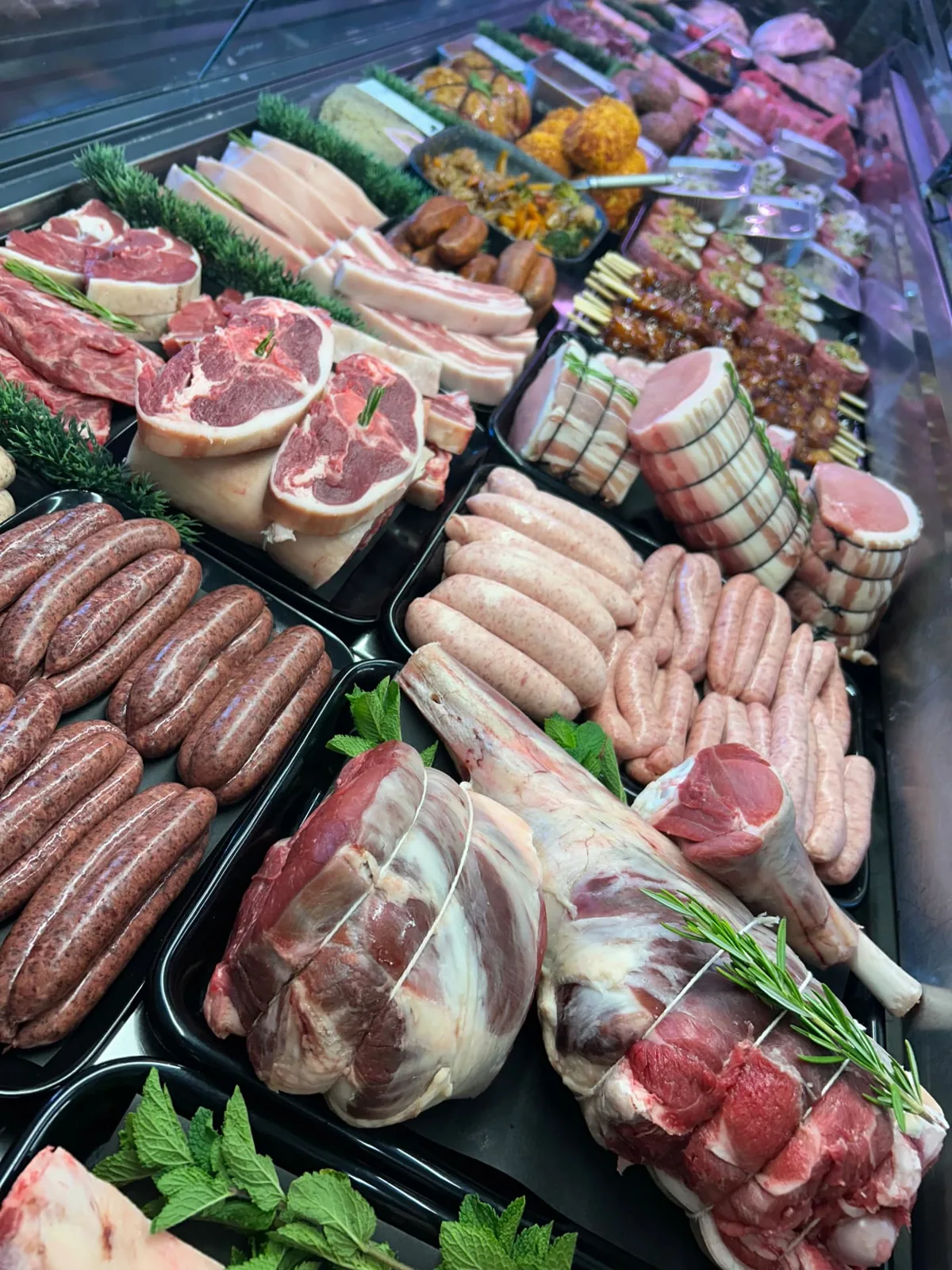
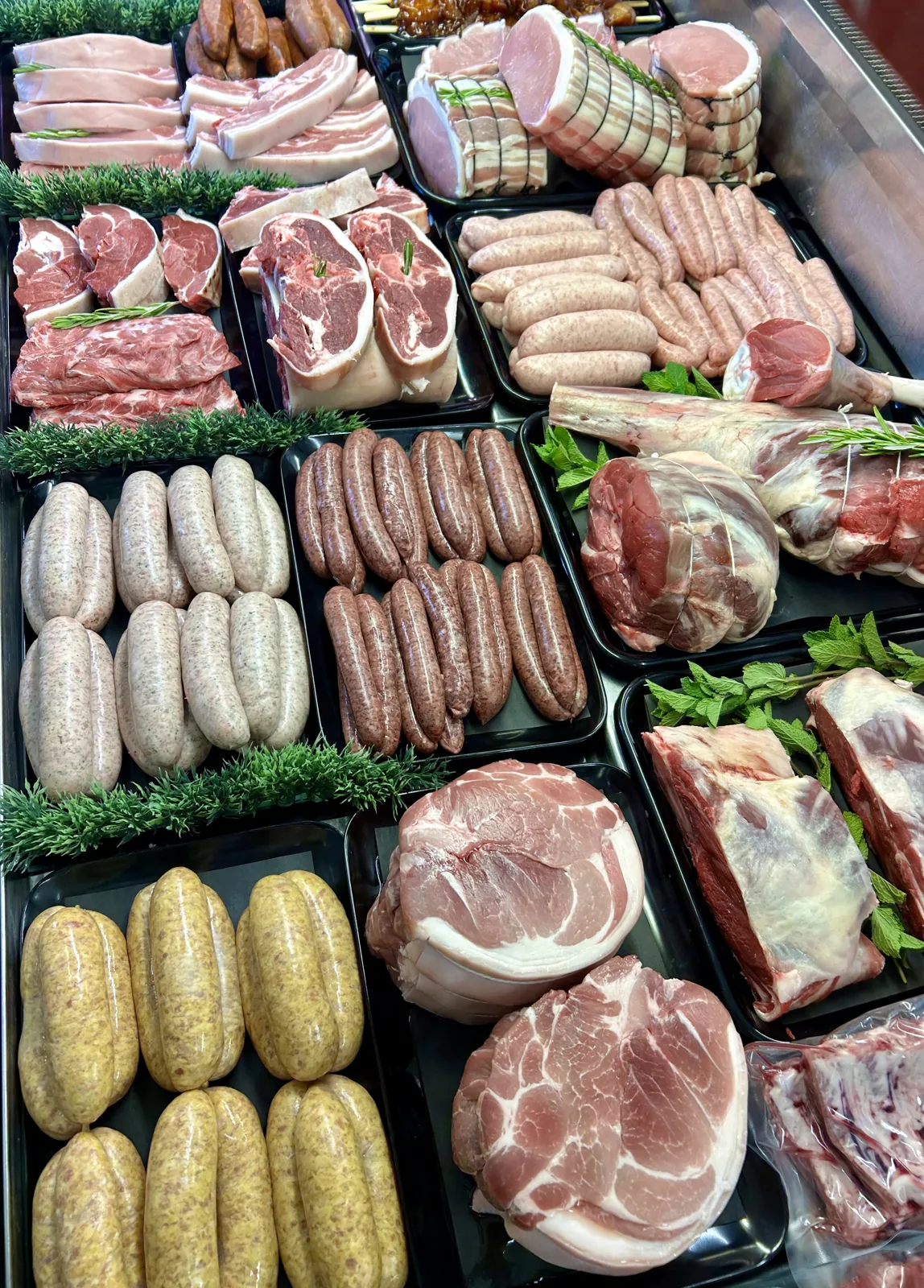
Lee prepares joints at The Butchers Blade counter in Sandbach every week, from rolled sirloin and topside to lamb legs and pork shoulders. This guide helps you choose the right size, work out your timings and carve with confidence.
From preparation to plate
- Tell Lee how many people you are feeding and whether you want leftovers. Confirm the cut, weight and whether it is rolled or stuffed.
- Follow the product’s temperature and timing instructions. Preheat the oven and put the joint in a suitable roasting tin.
- Plan vegetables and potatoes around the joint’s oven requirements. Use a clean probe in the thickest part, away from bone, to check cooking rather than relying only on time.
- Rest the joint before carving. Use the resting time to finish vegetables and make gravy; carve across the grain.
Serving and pairing ideas
Roast potatoes, seasonal vegetables and gravy are a simple starting point. Choose a red wine for beef or lamb, or sparkling apple juice for an alcohol-free option.
Which cut to choose
- Beef topside and silverside
- Lean, classic roasting joints. Best served pink and sliced thinly.
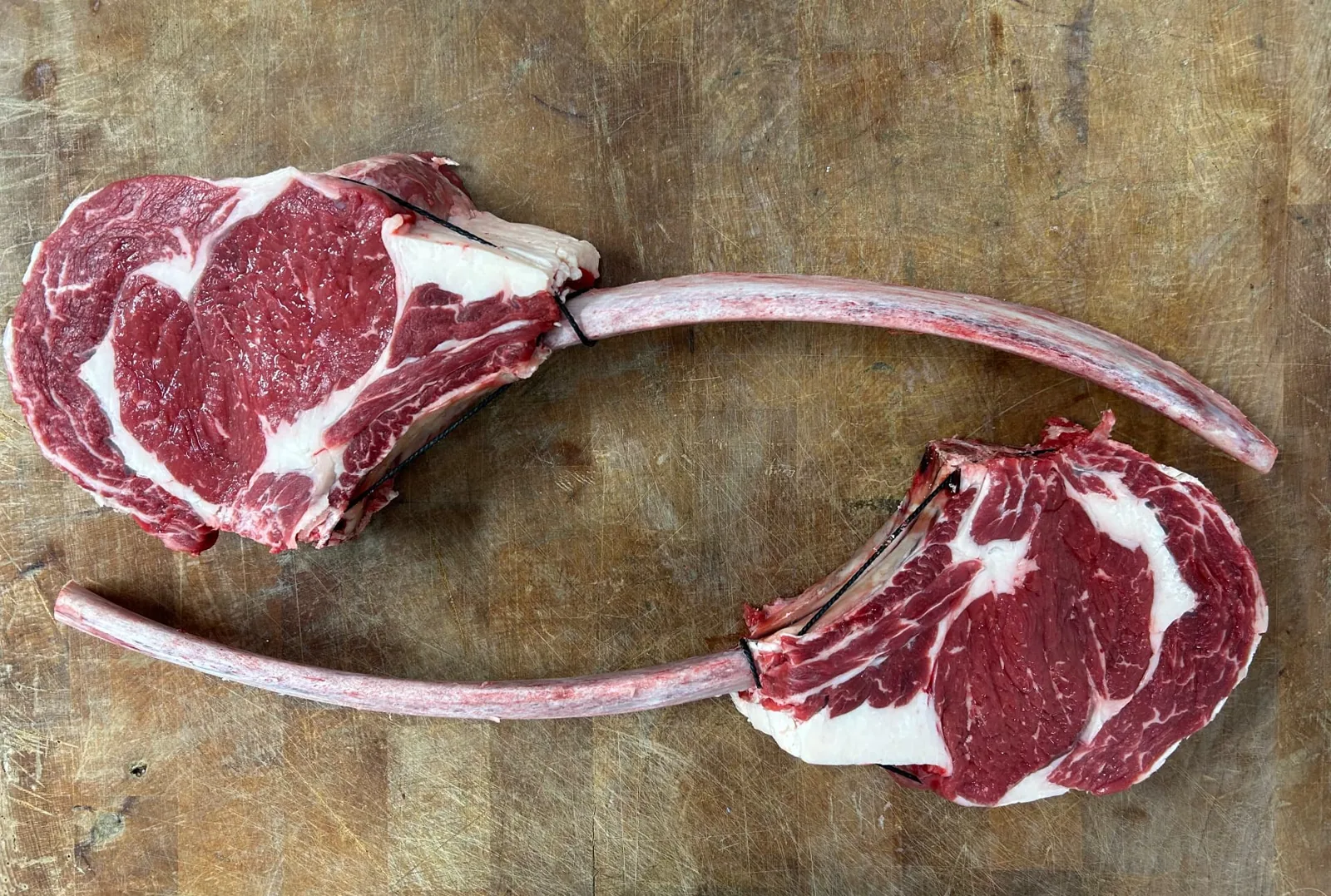
- Rolled sirloin or rib of beef
- Richer and more marbled for a special occasion roast.
- Leg or shoulder of lamb
- Leg carves neatly; shoulder suits longer, slower roasting.
- Pork loin or shoulder
- Loin gives neat slices; shoulder is ideal for crackling and slow roasting.
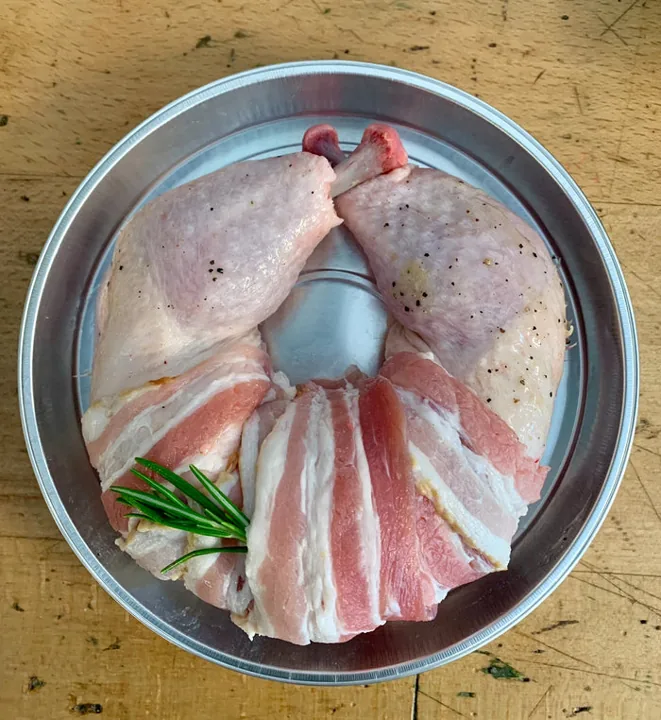
- Whole chicken
- An easy, family-friendly roast that cooks in a predictable time.
How much to buy
Tell Lee how many people you are feeding and whether you want leftovers for Monday. Bone-in joints need more weight per person than boneless ones, and a slightly larger joint is easier to cook evenly than a very small one.
Plan your oven timeline
Work backwards from the time you want to eat. Write down when the joint goes in, when it comes out to rest and when the potatoes and vegetables need the oven. The resting time is your friend: it frees up the oven for crisping potatoes and Yorkshire puddings.
Bring the joint out of the fridge a little before cooking, season it well and sit it on a trivet of onion and carrot, which will also flavour your gravy.
Cooking and checking
Follow the product’s instructions and check with a clean probe in the thickest part, away from bone. Whole beef and lamb joints can be served pink; rolled, stuffed and pork joints must be cooked thoroughly.
For pork crackling, dry the skin well, score it, salt it and start the oven hot before turning it down.
Resting, gravy and carving
Cover the joint loosely with foil and rest it for at least 15–30 minutes depending on size. Meanwhile, put the roasting tin on the hob, add a little flour, then stock and the resting juices, and simmer for a gravy with real depth.
Use a sharp carving knife and slice across the grain. Carve only what you need so the rest stays juicy for leftovers.
From the counter
Lee’s tips
Buy a joint a little bigger than you think you need. Cold roast beef sandwiches on a Monday are half the reason to cook one.
Ask me to tie your joint at the counter. A neatly tied joint cooks more evenly and carves far better.
Never throw away the roasting tin juices. That sticky layer is where your best gravy comes from.
Try this
Lee’s classic roast beef with proper gravy
Serves 6 with leftovers
You will need
- A topside or rolled sirloin joint sized for your table
- 2 onions and 2 carrots, thickly sliced
- Rapeseed oil, sea salt and black pepper
- 1 tbsp English mustard powder (optional)
- 1 tbsp plain flour
- 500ml good beef stock
Method
- Preheat the oven. Rub the joint with oil, salt, pepper and mustard powder.
- Sit it on the onions and carrots in a roasting tin and roast following the joint’s instructions, checking the centre with a probe.
- Lift the beef onto a board, cover loosely with foil and rest.
- Put the tin on the hob, stir in the flour, then gradually add stock and the resting juices. Simmer, scraping the tin, and strain.
- Carve thinly across the grain and serve with the gravy, roast potatoes and Yorkshire puddings.
What goes with it
- Goose-fat roast potatoes
- Yorkshire puddings with beef
- Honey-roasted carrots and parsnips
- Buttered greens or cauliflower cheese
- Mint sauce with lamb or apple sauce with pork
What to drink
- Claret or Rioja with roast beef
- Rioja or Côtes du Rhône with lamb
- Dry cider with roast pork
- Sparkling apple juice for an alcohol-free table
Common mistakes to avoid
- Carving straight from the oven
- Forgetting to plan oven space for potatoes
- Relying on time alone instead of checking the centre
- Buying a joint too small to cook evenly
Check before you serve
Rolled and stuffed joints must be cooked thoroughly even when made from beef or lamb. Ask Lee if you are unsure how your joint was prepared.
For poultry, pork, minced meat, sausages, rolled joints and mechanically tenderised meat, cook thoroughly: the centre should reach 70°C for 2 minutes, or 75°C for 30 seconds. Clean the thermometer before and after checking.
Food Standards Agency cooking guidanceQuestions people ask Lee
How long should I rest a roast?
Most joints benefit from 15–30 minutes loosely covered. Larger joints can rest longer.
Can Lee prepare my joint?
Yes. Visit the counter at Sandbach Market Hall and Lee can trim, roll and tie your joint.
Bone-in or boneless?
Bone-in adds flavour and looks impressive; boneless is easier to carve. Both make a great roast.
What can I do with leftovers?
Cool them promptly, refrigerate within 1–2 hours and enjoy within 48 hours in sandwiches, hash or a pie.
Why buy from your local butcher
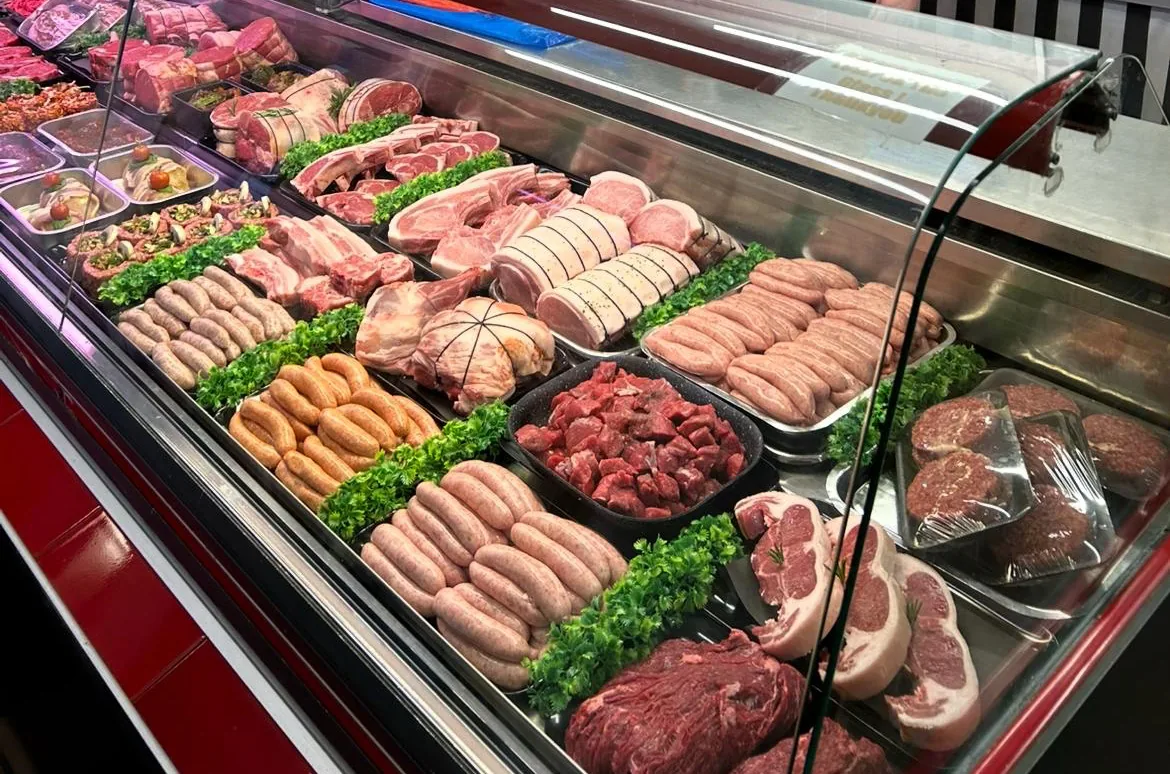
Buying from Lee’s counter at Sandbach Market Hall means you can ask for exactly the cut, thickness and weight you need, get it trimmed, rolled or diced while you wait, and pick up honest advice on how to cook it. Every sausage and burger is gluten free, and the shop’s own dry-aging cabinet brings deeper flavour to selected beef.
Storing your meat at home
Keep raw meat covered on the bottom shelf of the fridge, away from ready-to-eat food, and use it by the date on the label. If you are not cooking it soon, freeze it on the day you buy it, label it with the date and defrost it fully in the fridge before cooking.
Ready to cook?
Order online for local delivery or collection, or come and see Lee at Unit A, Market Hall, High St, Sandbach CW11 1AX.